
Apacer Rolls Out PT910 PCI-E SSD
For professional gamers to win fierce fights easily, Apacer, the pioneer in digital storage, launches the latest SSD - Apacer PT910 SSD. It adopts the ultra-high-speed interfaces PCI-E 2.0 x 2, reaching amazing sequential read/write speeds of 830/790 MB/s and 4K random read/write speeds up to 100,000 IOPS. With the dual controller from the top brand SandForce and the chips from the tech giant Intel®, the product is available in 256 GB and 512 GB, of which the real capacities are 7% larger than other same-level products. PT910’s multiple advantages of high efficiency, high reliability and high cost-performance ratio allow computer game experts, musicians and audio/video workers to enjoy a more pleasant and smooth digital experiences.
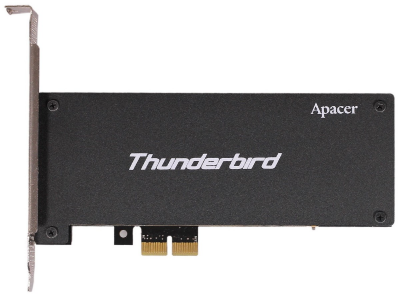
Speed is an eternal pursuit for professional gamers. The Apacer PT910 PCI-E SSD, with PCI-E 2.0 x 2 high-speed interfaces, is compatible with the PCI-E x4/x8/x16 slot. It breaks the transmission limitations and reaches a sequential read/write speed of 830/790MB/s and a 4K random read/write speed of up to 100,000 IOPS (Input/Output Per Second). Game downloading and execution can be completed in the blink of an eye. With its superior speed experience and excellent cost-performance, it will surely become the best choice for game players!
Add a comment
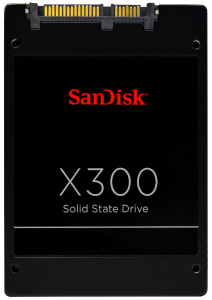 SanDisk Corporation, a global leader in flash storage solutions, today announced the availability of the SanDisk X300 SSD. The SanDisk X300 SSD leverages the latest advancements in X3 technology to deliver a great user experience with high-performance, while utilizing robust error-correction to increase reliability and provide peace of mind for today’s CIOs. SanDisk’s new client SSD also includes an improved SSD Dashboard, which provides visibility into the drive’s performance, security, and available firmware updates, in order to maintain peak performance at all times—an important feature for today’s mobile workforce.