

Eye-Fi Unveils 16GB Wireless Memory Card
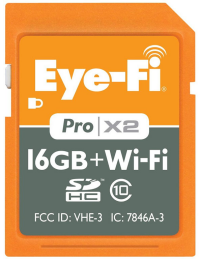 Eye-Fi Inc., makers of the world's first wireless memory card, has announced today a new Eye-Fi Pro X2 16GB, Class 10 card that increases both storage and speed capabilities while continuing to deliver convenient, reliable wireless upload of photos and videos from cameras. The new 16GB card provides twice the storage capacity of the prior Pro X2 card, while the Class 10 performance delivers ultra-fast read and write speeds. That means more power and speed for the same retail price of $99.99. And, the new Pro X2, like Eye-Fi's other X2 series cards, enables you to wirelessly connect a camera to a mobile device, such as a smartphone or tablet, or use an authorized WiFi network to move content directly to a computer.
"Cameras have more megapixels, and pictures and videos are more demanding in terms of size. Moving to a 16GB, Class 10 card keeps up with these trends and delivers what our customers have been asking for," said Yuval Koren, CEO and co-founder of Eye-Fi. "Customers already know and love our Eye-Fi cards for instant wireless uploads, so the added space and faster speeds are a great addition, especially with the highest-volume photo days coming up."
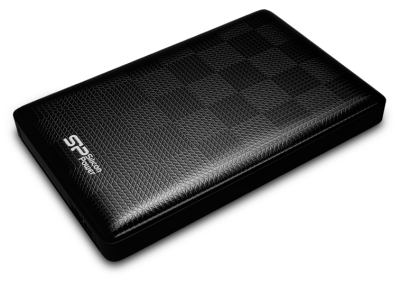
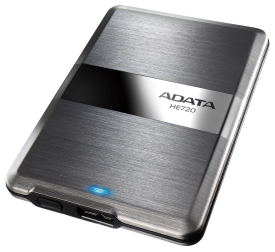 ADATA Technology, a leading manufacturer of high-performance DRAM modules and NAND Flash storage application products, today announced the launch of the DashDrive Elite HE720 external hard drive, a USB 3.0 compatible device that is the world’s thinnest of its kind.
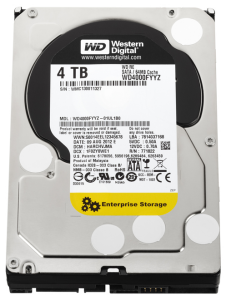 WD, a Western Digital company, and a leader in the mobile, desktop, high-capacity enterprise and consumer markets for hard drives today announced it is further expanding its enterprise-class storage offerings with the release of new WD RE SAS and WD RE SATA hard drives in capacities up to 4 TB, the largest on the market today. Available immediately in 1 TB, 2 TB, 3 TB and 4 TB capacities for nearline SAS and 2 TB, 3 TB and 4 TB for SATA, the 3.5-inch WD RE SAS and WD RE SATA hard drives offer the powerful combination of enterprise-class features and superior capacity to meet the growing demands of conventional business-critical environments as well as the high-capacity and performance requirements of cloud and scale-out computing.

